
Goal Tracking in Ecommerce: Powering Conversion Growth
Over $3.6 trillion in global ecommerce sales are expected by 2025, proving how vital effective goal tracking has become for every American online retailer striving to compete internationally. Without clear tracking, critical conversion opportunities slip through the cracks and growth stalls. This article reveals practical, non-technical methods to track ecommerce goals efficiently, helping marketers maximize conversion rates and refine strategy while avoiding the common pitfalls others face.
Table of Contents
- What Goal Tracking Means For Ecommerce
- Essential Goal Types And Metrics Explained
- How Tools Streamline Ecommerce Goal Tracking
- Implementing Goal Tracking Without Technical Hassles
- Common Pitfalls And How To Avoid Them
Key Takeaways
| Point | Details |
|---|---|
| Goal Tracking Importance | Goal tracking is essential for transforming visitor interactions into paying customers, significantly impacting revenue growth and business performance. |
| Core Metrics to Monitor | Key metrics like Conversion Rate, Average Order Value, and Customer Lifetime Value are critical for understanding user behavior and optimizing marketing strategies. |
| Implementation Simplicity | Modern tracking tools simplify the goal tracking process for non-technical users, enabling efficient data collection and analysis without extensive coding knowledge. |
| Avoiding Common Pitfalls | Businesses should ensure clear goal setting and avoid tracking vanity metrics to maintain data integrity and derive meaningful insights from their ecommerce analytics. |
What Goal Tracking Means for Ecommerce
Goal tracking in ecommerce represents the strategic process of measuring and analyzing specific user interactions that drive business performance and revenue. At its core, this practice involves monitoring critical conversion actions that transform casual website visitors into paying customers. Global retail ecommerce sales projections demonstrate the immense potential of precise tracking strategies, with estimated revenues exceeding $3.6 trillion by 2025.
For online retailers, goal tracking goes beyond simple transaction monitoring. It encompasses a comprehensive approach to understanding user behavior, identifying friction points in the customer journey, and optimizing digital experiences. Typical ecommerce goals might include completed purchases, email newsletter sign-ups, product page views, cart additions, and customer account creations. Each of these actions provides valuable insights into consumer preferences and potential areas for improvement in the sales funnel.

Advanced goal tracking transforms raw data into actionable intelligence. By systematically measuring user interactions, businesses can make informed decisions about website design, marketing strategies, and product offerings. Digital economy research indicates that effective goal tracking enables targeted progress toward inclusive digital transformations, helping companies bridge performance gaps and enhance overall conversion rates.

Pro tip: Select 3-5 core conversion goals that directly impact your bottom line and develop specific tracking mechanisms for each to maximize your strategic insights.
Essential Goal Types and Metrics Explained
Ecommerce goal tracking encompasses a wide range of strategic metrics designed to illuminate different aspects of online business performance. Critical metrics capture user interactions at various stages of the buyer's journey, enabling businesses to diagnose issues, forecast growth, and implement targeted improvements.
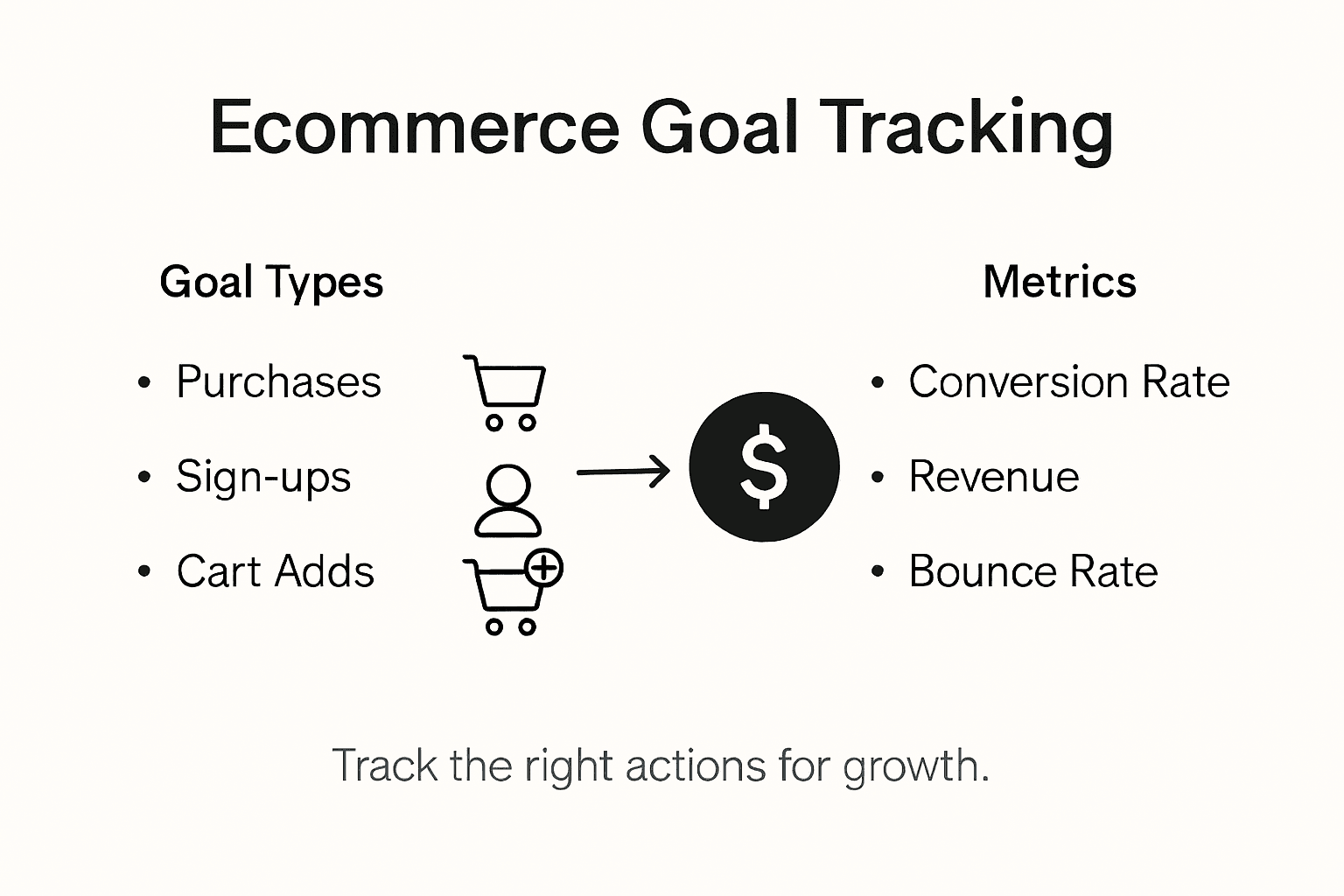
The most fundamental goal types in ecommerce typically include:
- Purchases: Direct revenue-generating conversions
- Cart Additions: Potential purchase indicators
- Checkout Initiations: Measure conversion funnel progression
- Newsletter Sign-ups: Lead generation and audience expansion
- Product Page Views: Customer engagement measurement
Comprehensive ecommerce metrics provide nuanced insights into performance by quantifying user actions that directly impact revenue. Key performance indicators businesses should track include conversion rate, average order value (AOV), customer lifetime value (CLV), cart abandonment rate, and return on ad spend (ROAS). These metrics work together to create a holistic view of online retail performance, helping marketers understand customer behavior and optimize digital strategies.
Successful goal tracking requires a strategic approach that goes beyond simple number counting. It involves understanding the interconnected nature of these metrics and how they reflect broader business objectives. By analyzing these goal types and metrics, ecommerce businesses can make data-driven decisions that enhance user experience, improve marketing efficiency, and ultimately drive sustainable revenue growth.
Pro tip: Create a dashboard that consolidates your most critical metrics and review them consistently to identify trends and opportunities for optimization.
To better understand the value of tracking key ecommerce metrics, here is a summary comparing major performance indicators and their strategic impact:
| Metric | What It Measures | Business Impact |
|---|---|---|
| Conversion Rate | Percentage of visitors who buy | Reveals effectiveness of site |
| Average Order Value | Typical revenue per transaction | Drives revenue growth strategies |
| Customer Lifetime Value | Total net profit per customer | Informs retention and loyalty |
| Cart Abandonment Rate | Carts created but not purchased | Highlights friction in checkout |
| Return on Ad Spend | Revenue earned per ad dollar | Optimizes marketing budgets |
How Tools Streamline Ecommerce Goal Tracking
Advanced tracking tools revolutionize how businesses monitor and analyze digital performance, providing comprehensive solutions that transform complex data into actionable insights. These sophisticated platforms eliminate the traditional challenges of manual data collection and interpretation, enabling ecommerce businesses to make rapid, informed decisions with unprecedented efficiency.
Modern goal tracking tools typically offer several key functionalities:
- Automated Data Collection: Seamlessly gather information across multiple sales channels
- Real-Time Analytics: Provide instant performance insights
- Custom Dashboard Creation: Visualize critical metrics at a glance
- Multi-Channel Integration: Consolidate data from websites, mobile apps, and social platforms
- Predictive Performance Modeling: Forecast potential future trends
Analytics platforms help automate the collection and visualization of key performance indicators, reducing manual errors and technical barriers. By consolidating sales conversions, marketing ROI, and customer retention metrics into comprehensive dashboards, these tools empower ecommerce teams to focus on strategic growth rather than getting lost in data management complexities. The ability to track multiple goals simultaneously allows businesses to develop a nuanced understanding of their digital performance ecosystem.
Successful implementation of goal tracking tools requires a strategic approach that goes beyond simple data collection. Businesses must select platforms that align with their specific operational needs, integrate seamlessly with existing systems, and provide scalable solutions that can adapt to evolving digital marketplaces. The most effective tools not only track current performance but also provide predictive insights that guide future strategic decisions.
Pro tip: Select a goal tracking tool that offers flexible integration capabilities and provides customizable dashboards to match your specific business metrics.
Here's a comparison of feature priorities for selecting an ecommerce goal tracking tool:
| Feature | Why It's Important | Best for Businesses That |
|---|---|---|
| Customizable Dashboard | Tailors reporting to key goals | Need specific insights |
| Multi-Channel Integration | Aggregates data from all sources | Sell on several platforms |
| Predictive Analytics | Forecasts future outcomes | Plan for growth and scalability |
| Ease of Integration | Reduces setup time and errors | Lack technical resources |
Implementing Goal Tracking Without Technical Hassles
Goal tracking platforms now offer unprecedented simplicity for non-technical ecommerce operators, eliminating the traditional barriers that once required extensive coding knowledge. Modern analytics solutions have transformed goal tracking from a complex technical challenge into an accessible, user-friendly process that empowers businesses of all sizes to gain actionable insights without specialized IT skills.
Key strategies for hassle-free goal tracking include:
- Guided Setup Wizards: Walk users through configuration step by step
- Pre-Built Templates: Provide ready-to-use tracking configurations
- One-Click Integrations: Connect seamlessly with existing ecommerce platforms
- Visual Dashboard Interfaces: Enable intuitive data visualization
- Automated Reporting: Generate insights without manual intervention
User-friendly analytics services now offer comprehensive goal tracking solutions that integrate automatically with popular ecommerce platforms. These tools eliminate technical complexity by providing automatic event tracking, real-time performance monitoring, and customizable reporting interfaces. Small to medium-sized businesses can now access powerful analytics capabilities that were previously available only to large enterprises with dedicated technical teams.
Successful implementation requires selecting tools that match your specific business needs and comfort level with technology. Look for platforms that offer comprehensive onboarding support, clear documentation, and responsive customer service. The most effective goal tracking solutions not only simplify data collection but also provide intuitive insights that can be immediately applied to improve business performance.
Pro tip: Start with a tool that offers a free trial and comprehensive tutorial resources to minimize initial learning curve and technical friction.
Common Pitfalls and How to Avoid Them
Ecommerce goal tracking presents numerous potential challenges that can undermine data-driven decision making, requiring businesses to develop strategic approaches for maintaining tracking accuracy and reliability. Understanding these common pitfalls is crucial for developing a robust analytics framework that provides meaningful insights into business performance.
Key pitfalls to watch for include:
- Unclear Goal Setting: Establishing vague or unrealistic objectives
- Vanity Metric Obsession: Tracking metrics that don't impact actual revenue
- Incomplete Data Collection: Failing to capture comprehensive user interactions
- Mobile Tracking Neglect: Overlooking mobile platform performance
- Inconsistent Tracking Configurations: Not updating tracking methods as business evolves
Successful goal tracking requires a systematic approach that prioritizes data quality and contextual analysis. Businesses must develop a disciplined method of setting clear, measurable goals aligned with overall business objectives. This means moving beyond surface-level metrics to understand the deeper narrative behind user interactions, segmenting data effectively, and maintaining a holistic view of the customer journey across all digital touchpoints.
To mitigate these risks, implement a comprehensive review process that includes regular data audits, cross-team collaboration, and continuous refinement of tracking strategies. Ensure tracking codes are accurately implemented, focus on actionable key performance indicators, and remain flexible enough to adapt to changing business needs. The most successful ecommerce operations treat goal tracking as a dynamic, ongoing process of learning and optimization.
Pro tip: Conduct a quarterly review of your goal tracking setup, comparing your current metrics against business objectives and adjusting your approach to maintain maximum relevance and accuracy.
Supercharge Your Ecommerce Goal Tracking with Stellar
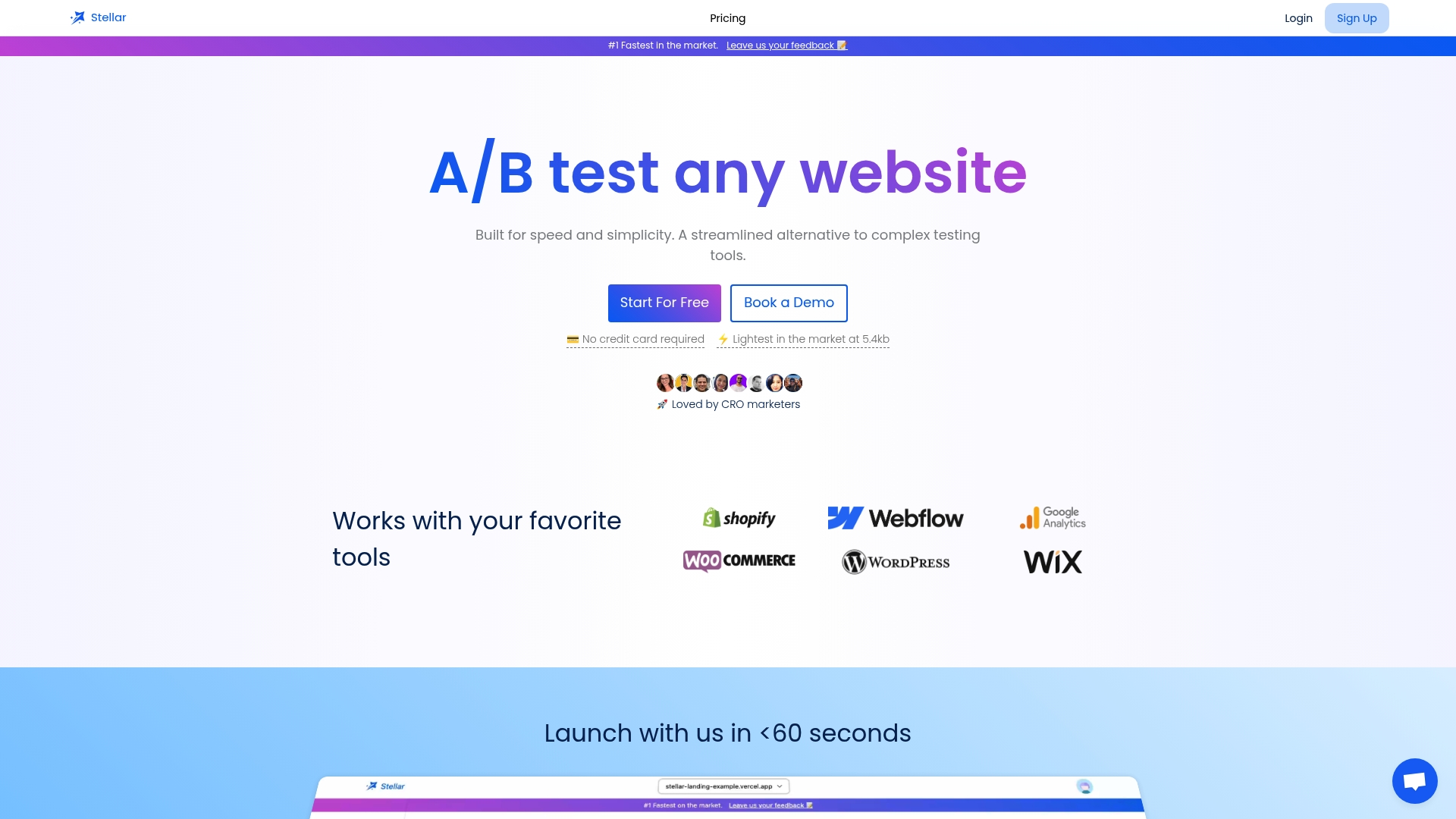
Tracking multiple ecommerce goals like purchases, cart additions, and checkout initiations can be overwhelming without the right tools. The challenges of capturing real-time data, creating insightful dashboards, and avoiding common pitfalls demand a solution that is powerful yet accessible. Stellar’s advanced goal tracking capabilities offer marketers and growth hackers at small to medium-sized businesses the perfect way to streamline analytics and A/B testing with zero technical hassle.
Key benefits of choosing Stellar include:
- Real-time analytics that turn user interactions into actionable insights
- A no-code visual editor to effortlessly set up and manage your conversion goals
- Lightweight script size that ensures fast website performance
Ready to optimize your ecommerce conversions and accelerate growth using precise, easy-to-implement goal tracking? Visit Stellar’s homepage now to start with a free plan designed for businesses tracking under 25,000 users monthly. Discover how our A/B Testing Tool and dynamic keyword insertion features can help you make data-driven decisions faster and more confidently. Don’t wait to unlock the full potential of your ecommerce data and stay ahead in a competitive digital marketplace.
Frequently Asked Questions
What is goal tracking in ecommerce?
Goal tracking in ecommerce is the strategic process of measuring and analyzing specific user interactions that drive business performance and revenue, helping to convert visitors into paying customers.
Why is goal tracking important for online retailers?
Goal tracking is essential for online retailers as it provides insights into user behavior, identifies friction points in the customer journey, and optimizes digital experiences to enhance conversion rates and overall business performance.
What are some common ecommerce goals to track?
Common ecommerce goals to track include completed purchases, cart additions, newsletter sign-ups, checkout initiations, and product page views.
How can tools help streamline ecommerce goal tracking?
Tools can streamline ecommerce goal tracking by automating data collection, providing real-time analytics, and allowing for the creation of custom dashboards that consolidate key performance metrics for better decision-making.
Recommended
Published: 12/29/2025