
Lead Generation Optimization: Boosting Conversion Success
Most American companies lose out on nearly 80 percent of their potential leads because they overlook critical steps in lead generation optimization. In a market where every customer interaction can shape business growth, the pressure to stand out and convert effectively has never been higher. This guide breaks down modern tactics that help American businesses focus their marketing, use smarter technology, and maximize lead conversion for stronger results.
Table of Contents
- Defining Lead Generation Optimization Today
- Types of Lead Generation Strategies
- How Automation Enhances Lead Generation
- Role of Analytics and A/B Testing Tools
- Common Mistakes in Lead Generation Campaigns
Key Takeaways
| Point | Details |
|---|---|
| Lead Generation Optimization | Emphasizes data-driven methodologies for improving customer acquisition and conversion processes. |
| Automation Benefits | Automation technologies streamline lead qualification and enhance personalized engagement with minimal manual effort. |
| Integration of Strategies | Successful lead generation combines inbound, outbound, and digital approaches for a comprehensive marketing ecosystem. |
| Common Campaign Mistakes | Organizations often falter due to poor audience segmentation, inadequate tracking, and neglecting follow-up protocols. |
Defining Lead Generation Optimization Today
In today's competitive business environment, lead generation optimization represents a strategic approach for companies to systematically improve their customer acquisition processes. By leveraging advanced analytical techniques, businesses can transform how they identify, attract, and convert potential customers. Modern lead generation goes far beyond traditional marketing tactics, integrating data-driven methodologies to maximize conversion potential.
At its core, lead generation optimization involves carefully analyzing marketing and sales interactions to prioritize and qualify potential customer opportunities. B2B organizations particularly benefit from this approach, as it allows them to allocate resources more efficiently and focus their sales efforts on the most promising prospects. The process requires a sophisticated understanding of customer behavior, utilizing advanced statistical modeling and predictive analytics to forecast potential engagement.
Key components of effective lead generation optimization include:
- Advanced data collection and tracking mechanisms
- Sophisticated segmentation strategies
- Real-time performance analytics
- Continuous refinement of targeting algorithms
Marketing mix modeling plays a crucial role in this process, enabling companies to estimate the impact of various marketing tactics on potential sales conversions. By using multivariate regression techniques and analyzing time-series marketing data, businesses can develop more precise lead qualification strategies. The goal is not just identifying potential leads, but understanding their likelihood of conversion and potential long-term value.
Successful lead generation optimization requires a holistic approach that integrates multiple disciplines. Sales teams, marketing professionals, and data analysts must collaborate closely, breaking down traditional organizational silos. This cross-functional strategy enables more nuanced understanding of customer journeys, allowing for more personalized and effective engagement strategies. By treating lead generation as a dynamic, data-driven process, organizations can significantly improve their customer acquisition efficiency and overall business performance.
Types of Lead Generation Strategies
Lead generation strategies encompass a diverse range of approaches designed to attract, engage, and convert potential customers across different channels and platforms. Understanding these strategies allows businesses to create targeted, multi-dimensional marketing campaigns that effectively capture and nurture prospective leads.
Inbound lead generation represents a powerful approach focused on creating valuable content that naturally attracts potential customers. This strategy includes:
- Content marketing through blogs and articles
- Search engine optimization (SEO)
- Social media engagement
- Webinars and educational resources
- Podcast production
Outbound lead generation techniques take a more proactive approach, directly reaching out to potential customers through:
- Cold email campaigns
- Targeted advertising
- Trade show participation
- Direct phone outreach
- LinkedIn and professional network prospecting
Digital lead generation strategies leverage advanced technological platforms to capture and qualify potential customers. These methods include:
- Pay-per-click (PPC) advertising
- Retargeting campaigns
- Landing page optimization
- Interactive online quizzes
- Chatbot engagement systems
The most successful lead generation approaches integrate multiple strategies, creating a comprehensive ecosystem that maximizes potential customer touchpoints. By combining inbound, outbound, and digital techniques, businesses can develop robust lead generation systems that adapt to evolving market dynamics and customer preferences. Continuous testing, measurement, and refinement remain critical to maintaining an effective lead generation strategy in today's competitive business landscape.
How Automation Enhances Lead Generation
Lead generation automation represents a transformative approach that empowers businesses to streamline their customer acquisition processes through intelligent, technology-driven solutions. By leveraging advanced software and artificial intelligence, companies can dramatically improve their efficiency, reduce manual workload, and create more personalized engagement experiences.

Key automation technologies are revolutionizing lead generation strategies. Chatbots, for instance, enable organizations to provide immediate, personalized assistance by answering visitor queries, collecting contact information, and routing potential leads to appropriate sales channels. These intelligent systems operate 24/7, ensuring no potential customer inquiry goes unanswered and capturing critical lead data with minimal human intervention.
Automation technologies offer multiple strategic advantages:
- Rapid lead qualification and scoring
- Instant communication and follow-up
- Personalized engagement at scale
- Consistent lead nurturing processes
- Reduced human error in data collection
AI-powered voice call systems demonstrate another powerful automation approach, enabling businesses to conduct targeted outreach with unprecedented precision. These systems can deliver personalized messages, segment audiences dynamically, and generate interest through sophisticated communication algorithms. By combining advanced targeting capabilities with scalable communication technologies, companies can dramatically expand their lead generation potential.
The future of lead generation lies in intelligent, integrated automation systems that seamlessly blend human creativity with technological efficiency. Successful organizations will view automation not as a replacement for human interaction, but as a sophisticated tool that enhances relationship-building, enables more meaningful connections, and creates more opportunities for genuine customer engagement. As technology continues to evolve, businesses that embrace these intelligent automation strategies will gain significant competitive advantages in capturing and converting potential leads.
Role of Analytics and A/B Testing Tools
Analytics and A/B testing tools represent critical technological solutions that enable businesses to transform raw data into actionable insights for lead generation and conversion optimization. These sophisticated platforms leverage advanced statistical methodologies to help organizations make data-driven decisions that directly impact marketing performance and customer acquisition strategies.

Marketing mix modeling techniques provide a powerful framework for understanding the complex relationships between marketing activities and business outcomes. By utilizing multivariate regression analysis and time-series data, these tools help businesses systematically evaluate the effectiveness of different marketing tactics, allowing for precise allocation of resources and strategic refinement of lead generation approaches. A/B testing methods for interpreting data-driven insights further enhance this analytical capability by enabling real-time performance comparisons.
Key capabilities of advanced analytics and A/B testing tools include:
- Granular performance tracking
- Real-time conversion rate analysis
- Predictive lead scoring
- Comprehensive funnel visualization
- Multivariate experiment design
In business-to-business contexts, lead prioritization strategies become exponentially more powerful when supported by robust analytical tools. These platforms enable marketing and sales teams to systematically identify, qualify, and prioritize potential opportunities with unprecedented precision. By transforming complex datasets into clear, actionable insights, organizations can optimize their resource allocation, focus on the most promising leads, and dramatically improve overall conversion efficiency.
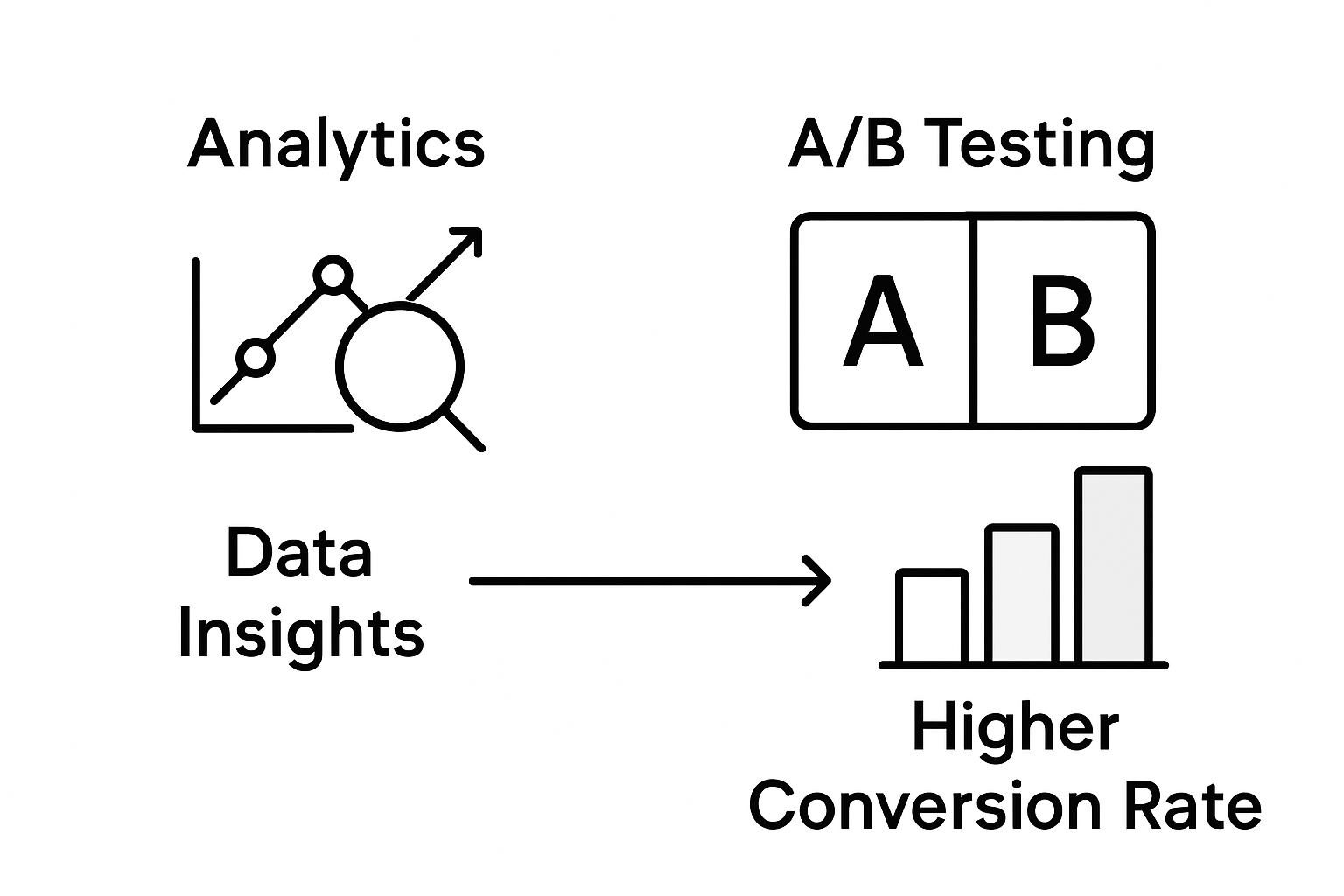
The future of lead generation optimization lies in the seamless integration of advanced analytics, machine learning algorithms, and intelligent experimentation tools. Successful businesses will leverage these technologies not just as measurement instruments, but as strategic partners that continuously refine and improve marketing performance. By embracing a data-driven approach that combines human creativity with technological sophistication, organizations can unlock new levels of marketing effectiveness and customer engagement.
Common Mistakes in Lead Generation Campaigns
Lead generation campaigns often fail due to a complex set of strategic and tactical errors that undermine their effectiveness. Marketing teams frequently encounter predictable pitfalls that can significantly reduce conversion potential, waste resources, and diminish overall campaign performance.
One of the most critical mistakes is neglecting proper audience segmentation. Many organizations develop generic, one-size-fits-all marketing approaches that fail to address the nuanced needs and preferences of specific customer segments. Advanced digital marketing strategies emphasize the importance of creating highly targeted, personalized communication pathways that resonate with distinct audience groups.
Common lead generation campaign mistakes include:
- Insufficient data analysis
- Poor lead qualification processes
- Inconsistent messaging across channels
- Neglecting follow-up protocols
- Overlooking customer journey complexity
Another significant error involves inadequate tracking and measurement of campaign performance. Businesses often rely on superficial metrics that provide limited insights, rather than implementing comprehensive analytics frameworks. This approach prevents organizations from understanding the true effectiveness of their lead generation efforts and identifying opportunities for strategic refinement.
Successful lead generation requires a holistic, data-driven approach that continuously adapts to changing market dynamics. Marketing teams must move beyond traditional campaign execution and embrace a more sophisticated, iterative methodology. By recognizing and proactively addressing these common mistakes, organizations can develop more intelligent, responsive lead generation strategies that consistently deliver high-quality prospects and drive sustainable business growth.
Maximize Lead Generation Success with Data-Driven A/B Testing
Effective lead generation optimization requires precise measurement and continuous refinement to avoid common pitfalls like poor segmentation and inconsistent messaging. The article highlights the critical need for data-driven insights through advanced analytics and A/B testing tools to prioritize leads and boost conversion rates efficiently. Marketers and growth hackers striving for real-time performance analysis and personalized engagement will find immense value in implementing streamlined experimentation tools.
Discover how Stellar's lightweight, no-code A/B Testing Tool empowers businesses to rapidly test and optimize their lead generation strategies. With features like a visual editor, dynamic keyword insertion, and advanced goal tracking, Stellar helps small to medium-sized businesses make informed decisions that increase conversion success while maintaining seamless site performance.
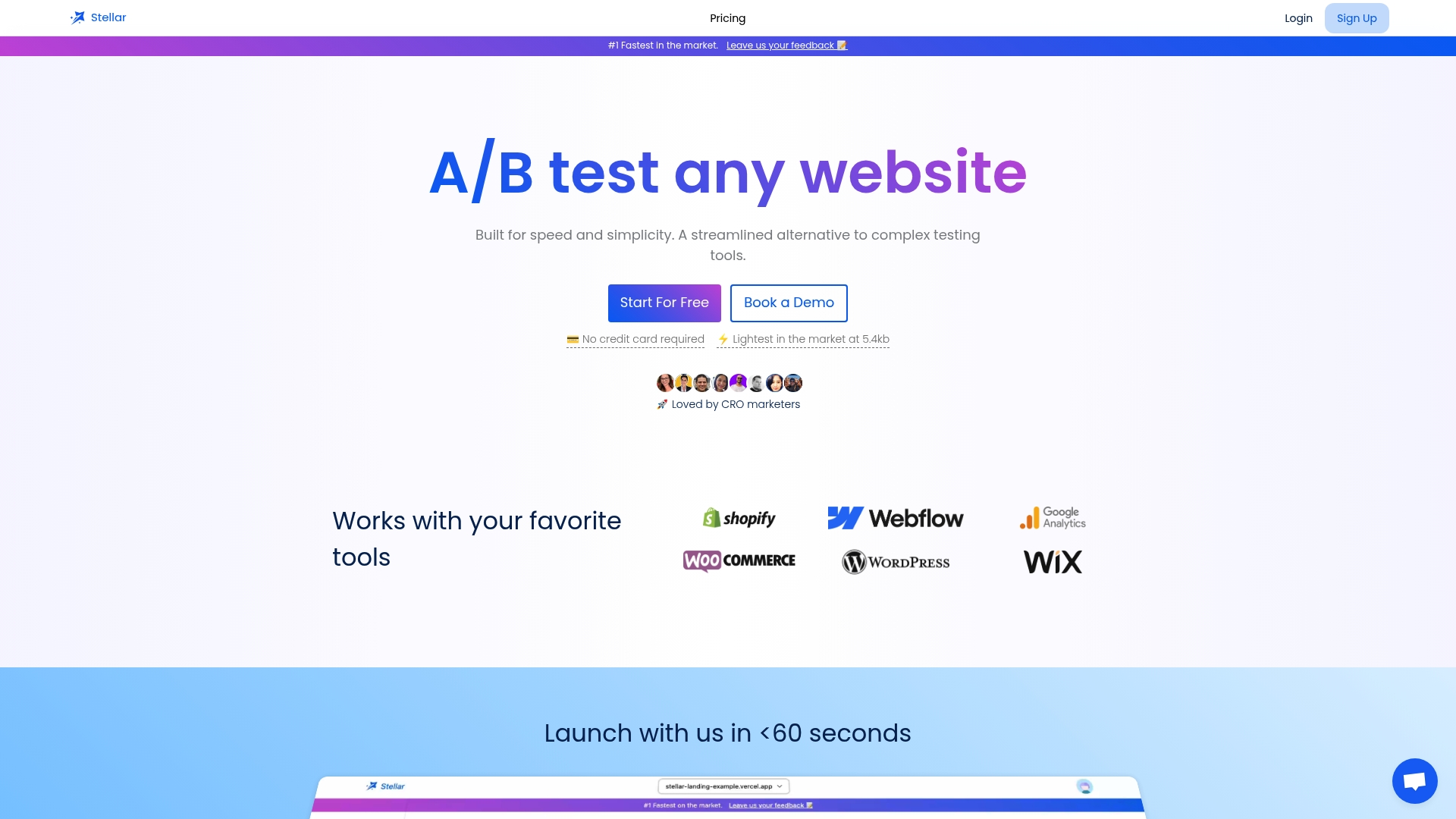
Ready to transform your lead generation campaigns into conversion machines Use the fastest and simplest tool on the market today Visit goStellar now to start your free plan and experience powerful real-time analytics that put actionable insights at your fingertips.
Frequently Asked Questions
What is lead generation optimization?
Lead generation optimization is a strategic approach that improves customer acquisition processes by leveraging data-driven methodologies to identify, attract, and convert potential customers effectively.
How can analytics enhance lead generation efforts?
Analytics can enhance lead generation by providing actionable insights, enabling businesses to track performance, understand customer behavior, and refine their strategies for optimizing conversion rates.
What are common mistakes to avoid in lead generation campaigns?
Common mistakes include neglecting proper audience segmentation, insufficient data analysis, poor lead qualification processes, and a lack of consistent messaging across channels.
How does automation improve lead generation efficiency?
Automation improves lead generation efficiency by streamlining processes, enabling rapid lead qualification, and ensuring consistent communication and engagement with potential customers.
Recommended
Published: 12/11/2025